Swimming Upstream: How Contrarian Bettors Cash In by Going Against the Crowd
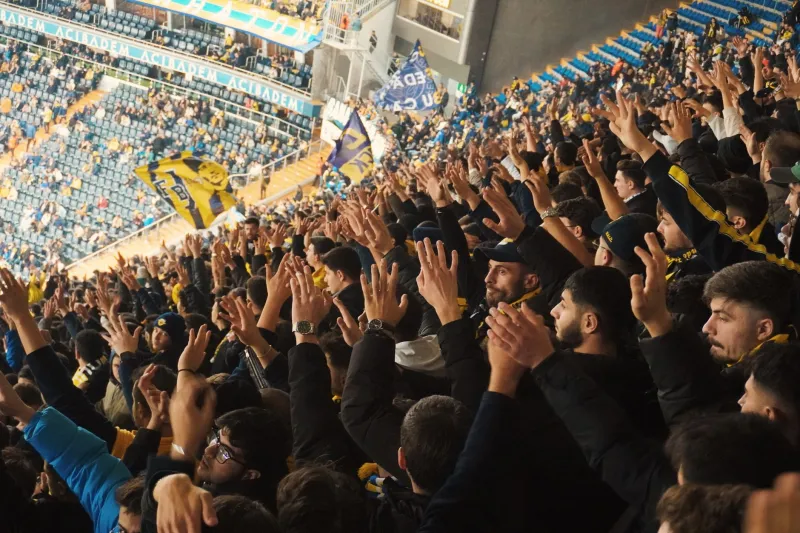
There's a moment every Sunday when millions of Americans open their betting apps and pile money onto the same handful of teams. The Cowboys. The Chiefs. Whoever ESPN spent 48 hours hyping on First Take. The public loves a good story, and sportsbooks love the public for exactly that reason.
Contrarian bettors — the ones who actually build long-term profit — have figured out how to turn that predictable behavior into an edge. It's not about being a contrarian for the sake of it. It's about understanding why public money moves lines in irrational directions, and knowing when to exploit it.
Why the Public Almost Always Gets It Wrong
Casual bettors don't analyze spreads the way sharp bettors do. They bet on teams they recognize, players they like, and narratives they've absorbed from sports media. That's not a knock — it's just human nature. But it creates a consistent, measurable distortion in the betting market.
When a team is riding a four-game win streak, featured on three different sports talk shows, and backed by a Hall of Fame quarterback, the public hammers them. Doesn't matter if the line has ballooned from -3 to -7.5 since Monday. Casual bettors aren't tracking line movement — they're reacting to the last thing they heard on the radio.
Sportsbooks know this. They shade lines to attract balanced action, but they also know certain teams and matchups will draw lopsided public betting no matter what. That's where the opportunity lives for the contrarian.
The Math Behind Fading Inflated Public Sides
Here's the core idea: when 75–80% of public bets are landing on one side of a game, the line has likely moved to reflect that action rather than the true probability of the outcome. The inflated favorite — or the over-hyped over in a total — is now priced worse than it should be relative to its actual winning chances.
Flip it around. The team absorbing 20–25% of public bets? They're being undervalued. If sharp money is also sitting on that side (a signal you can sometimes track through reverse line movement — when a line moves against the public betting percentage), you've got a compelling case for the fade.
Let's put some rough numbers on it. Say a team has a true 50/50 probability of covering a spread. But public action pushes the line two points in the wrong direction, meaning you're now getting +2 instead of -2 on the unpopular side. That two-point swing is enormous in a sport like football, where games routinely land within a field goal. You've just found value without doing anything exotic — just by being willing to bet the side nobody wants.
Real-World Examples Where Fading the Public Pays Off
Super Bowl squares are a classic case. Every year, a dominant team enters the championship game as a heavy public favorite. Casual bettors load up, the line inflates, and sharp books quietly shade toward the underdog. History bears this out — Super Bowl underdogs have covered at a rate that would make any contrarian smile.
NFL primetime games are another consistent fade spot. Sunday Night Football and Monday Night Football attract massive casual betting volume. Teams playing under the lights tend to be overbet simply because more eyeballs are on the game. The public-facing spread often ends up a point or two inflated on the favorite compared to where the same matchup would price as a mid-afternoon regional game.
College football bowl season is practically a contrarian playground. Casual bettors bet on schools they root for or brands they recognize — Alabama, Ohio State, Georgia. Smaller conference teams in bowl games against those giants get dismissed, lines bloat, and the fade becomes attractive more often than not.
How to Spot When Public Sentiment Has Gone Too Far
You don't need insider data to identify overinflated public sides. A few signals are accessible to anyone paying attention:
Betting percentage splits — Most major sports betting information sites publish public betting percentages for NFL and college football. When you see 80%+ of bets on one team, that's a starting point worth investigating.
Line movement vs. ticket count — If 80% of bets are on Team A, but the line has moved toward Team B, that's reverse line movement. It means sharp money is outweighing the public's volume. That's a strong contrarian signal.
Media saturation — When a team or storyline dominates sports media for multiple days leading into a game, expect the public to bet that narrative. The more ESPN and social media are buzzing about a team, the more skeptical you should be about backing them at the number.
Emotional events — A team coming off a dramatic comeback win, a revenge game against a hated rival, or a star player's return from injury will draw irrational public money. Emotion drives casual bettors. Discipline drives profitable ones.
What Contrarian Betting Is NOT
Let's be clear: fading the public isn't a magic formula. Blindly betting against popular teams every week will get you burned. The Cowboys are popular for a reason — they're often good. The Chiefs are perennial favorites because they keep winning.
Contrarian betting works as a filter, not a standalone system. You're looking for spots where public sentiment has created a genuine pricing inefficiency — where the number on the board no longer reflects the actual probability of the outcome. That's a specific condition, not a weekly occurrence.
You also need to be honest about your own biases. Contrarians can fall into a trap of rooting against popular teams out of ego rather than logic. If you find yourself fading the public just because you hate seeing casual bettors win, that's emotion — which is exactly what you're supposed to be exploiting in others, not carrying yourself.
Building the Habit of Thinking Against the Grain
The best contrarian bettors aren't cynics — they're disciplined thinkers who've trained themselves to ask a simple question before every wager: why does this line look the way it does? If the answer is "because everyone wants to bet this team," that's worth pausing on.
Track your bets. Note which ones came from public-facing narratives versus genuine analysis. Over time, you'll start to see patterns in where the crowd consistently overvalues certain matchups, teams, or game environments.
The sports media machine runs on compelling stories, not accurate probabilities. Sharp bettors understand that gap — and they get paid every time the public doesn't.
Swimming upstream isn't comfortable. But in sports betting, the current almost always flows toward the wrong side.